In workplaces where employees are exposed to airborne contaminants such as silica dust, fumes, chemicals, biological agents or hazardous particles, respiratory protection is often used as a critical control measure. However, simply providing workers with a respirator is not enough. For a respirator to be effective, it must fit the individual wearer properly and form a secure seal against the face.
This is where respirator fit testing becomes essential.
Respirator fit testing is a formal process that verifies whether a specific make and model of respirator fits an individual correctly. Without proper fit testing, workers may unknowingly be exposed to harmful airborne hazards – even while wearing respiratory protective equipment (RPE).
In this article, we explain what respirator fit testing is, why it is crucial for workplace safety in Australia, how the process works, and how professional services such as IOH Consult’s Respirator Fit Testing can support your organisation’s compliance and duty of care obligations.
What Is a Respirator?
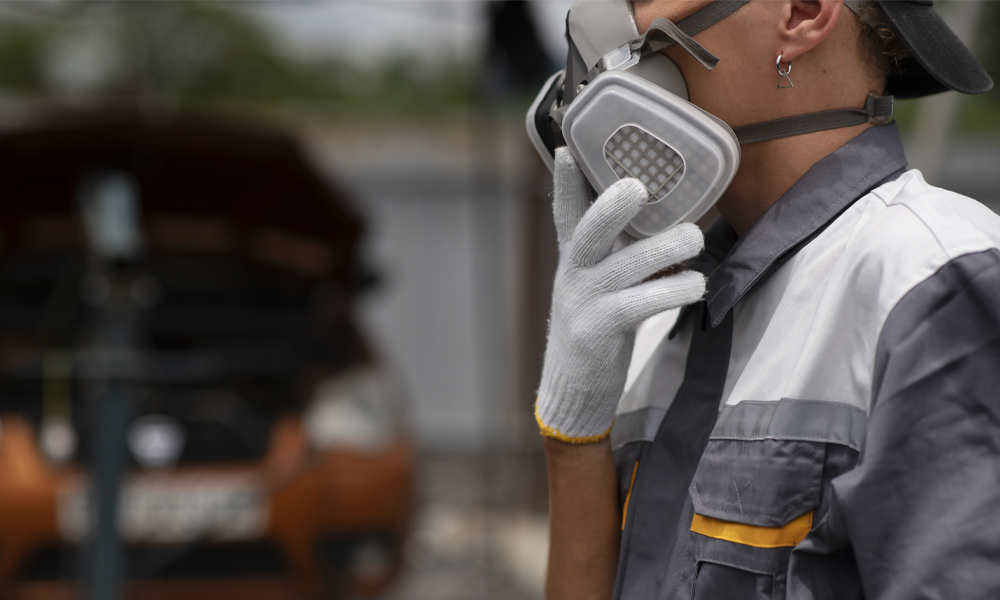
A respirator is a type of personal protective equipment (PPE) designed to protect the wearer from inhaling hazardous airborne substances. These hazards may include:
- Crystalline silica dust
- Asbestos fibres
- Welding fumes
- Chemical vapours
- Infectious biological agents
- Industrial dust and particulates
Common types of respirators used in Australian workplaces include:
- Disposable P2 respirators
- Half-face reusable respirators with replaceable filters
- Full-face respirators
- Positive air pressure respirators
Regardless of the type, the tight-fitting respirator must create an effective seal around the wearer’s face. If air can leak around the edges, contaminated air may be inhaled, rendering the protection ineffective.
What Is Respirator Fit Testing?
Respirator fit testing is a structured assessment process used to confirm that a respirator provides an adequate seal on an individual’s face.
It answers key safety questions:
- Does this respirator model fit this worker properly?
- Is the size appropriate for their facial structure?
- Does the seal remain effective during movement and speech?
Fit testing ensures that the selected respirator performs as intended under real workplace conditions. It is not a generic approval of a respirator type – it is specific to the individual worker and the exact make and model of respirator.
Why Respirator Fit Testing is Essential for Workplaces
1. It Ensures Effective Protection
Under Australian Work Health and Safety (WHS) legislation, employers have a primary duty of care to eliminate or minimise risks to health and safety so far as is reasonably practicable.
Where airborne hazards cannot be eliminated through higher-order controls (such as engineering controls or substitution), respiratory protection may be required. However, if a respirator does not fit properly, it cannot provide the intended level of protection.
Fit testing ensures:
- The respirator forms a proper seal
- The worker is genuinely protected from airborne contaminants
- The equipment performs to its assigned protection factor
Without fit testing, respiratory protection is based on an assumption rather than verification.
2. It Supports Compliance with Australian Standards
Respiratory protection programs in Australia commonly reference AS/NZS 1715: Selection, Use and Maintenance of Respiratory Protective Equipment.
This standard outlines the need for proper selection, fitting and ongoing management of respiratory protective equipment. Fit testing forms a key part of compliance with these requirements.
WorkSafe regulators across Australia – including Safe Work Australia and state-based authorities – increasingly emphasise the importance of fit testing, particularly in industries exposed to silica dust and other high-risk airborne contaminants.
Organisations that conduct fit testing demonstrate:
- Due diligence
- Compliance with recognised standards
- Proactive risk management
3. It Reduces the Risk of Occupational Illness
Exposure to airborne contaminants can cause serious long-term health conditions, including:
- Silicosis
- Occupational asthma
- Chronic obstructive pulmonary disease (COPD)
- Chemical toxicity
- Lung cancer
Recent attention on silica exposure in construction and engineered stone industries has reinforced the importance of properly fitted respirators.
Fit testing reduces the likelihood of hazardous exposure by confirming that contaminated air cannot bypass the respirator seal.
4. It Builds Worker Confidence and Safety Culture
When workers know their respiratory protection has been properly tested and verified, confidence increases.
Fit testing:
- Reinforces a strong safety culture
- Demonstrates employer commitment to worker wellbeing
- Encourages correct and consistent respirator use
A workforce that trusts its safety systems is more engaged and more likely to comply with procedures.
5. It Reduces Organisational Risk
Failure to adequately protect workers from respiratory hazards can lead to:
- Workers compensation claims
- Regulatory penalties
- Reputational damage
- Lost productivity
Implementing a structured respirator fit testing program reduces these risks by ensuring protection measures are effective and defensible.
What Happens During a Fit Test?
While procedures may vary slightly, a typical respirator fit test includes:
1. Pre-Test Assessment
- Confirmation of clean-shaven status (where required)
- Respirator inspection
- Health screening questions
Facial hair that interferes with the seal will prevent a successful fit test.
2. Selection of Respirator Model and Size
Different brands and sizes fit differently. Workers may need to trial multiple options to achieve a suitable fit.
3. Test Exercises
The worker performs a series of movements such as:
- Talking
- Bending
- Turning the head
- Deep breathing
This ensures the seal remains intact during normal work tasks.
4. Results and Documentation
The outcome is recorded, and documentation is provided for compliance records. If a respirator fails, alternative models are tested.
How Often Should Fit Testing Be Conducted?
Fit testing should be carried out:
- Before a worker first uses a respirator
- When changing respirator models or sizes
- At least annually (as best practice)
- Following significant facial changes (e.g. weight change, dental surgery)
Regular testing ensures ongoing protection and alignment with Australian standards.
Why Engage a Professional Fit Testing Provider?
Respirator fit testing requires:
- Correct equipment
- Trained personnel
- Standardised procedures
- Accurate documentation
Engaging a professional provider ensures the process is:
- Reliable
- Compliant
- Efficient
- Properly recorded
IOH Consult provides comprehensive respirator fit testing services tailored to Australian workplaces. Their experienced practitioners deliver structured testing programs, offer guidance on respirator selection, and support organisations in maintaining compliant respiratory protection programs.
With on-site service options available, businesses can minimise disruption while ensuring workers receive appropriate protection.
Strengthening Your Respiratory Protection Program
Respirator fit testing should not be viewed as a one-off exercise. It forms part of a broader respiratory protection program that includes:
- Hazard identification and risk assessment
- Appropriate respirator selection
- Worker training
- Maintenance and storage procedures
- Ongoing review and monitoring
When integrated properly, fit testing becomes a cornerstone of effective workplace health management.
Conclusion
Respirator fit testing is not simply an administrative requirement – it is a critical safety measure that protects workers from serious and potentially life-altering health risks.
In Australian workplaces exposed to airborne contaminants, ensuring respirators fit correctly is part of meeting WHS obligations and maintaining compliance with recognised standards such as AS/NZS 1715.
By implementing a structured respirator fit testing programhttps://www.iohconsult.com.au/ – supported by experienced providers like IOHC – organisations can:
- Protect workers from harmful exposure
- Strengthen regulatory compliance
- Reduce long-term liability
- Promote a proactive safety culture
Providing respiratory protective equipment is important. Ensuring it actually works is essential.
If your organisation relies on respirators to control airborne hazards, now is the time to ensure those respirators are properly fitted and tested – safeguarding both your workforce and your business.
Disclaimer – The information in this blog is for informational purposes only and is not intended as medical/financial/legal advice. Always consult with a professional before making any decisions based on this information. No guarantees or warranties are expressed by IOHC about the accuracy of the information contained in the blogs.