Today’s workplace safety goes far beyond compliance checklists. In 2026, businesses are expected to take a proactive, data-driven approach to protecting employee health. With evolving regulations, increased awareness of long-term health risks, and more complex work environments, ignoring occupational hazards is no longer an option.
This is where occupational hygiene services become essential – not just as a regulatory requirement, but as a strategic investment in your workforce and business sustainability.
Understanding Occupational Hygiene in Today’s Workplace
Occupational hygiene is the science of anticipating, recognising, evaluating, and controlling workplace hazards that may affect employee health. While some risks are obvious, many of the most dangerous hazards are invisible – such as airborne contaminants, chemical exposure, or prolonged noise.
For example, an employee working in construction may be exposed to respirable silica dust without immediate symptoms. Over time, however, this exposure can lead to serious respiratory diseases. Similarly, poor indoor air quality in office environments can reduce productivity and cause ongoing health complaints like headaches and fatigue.
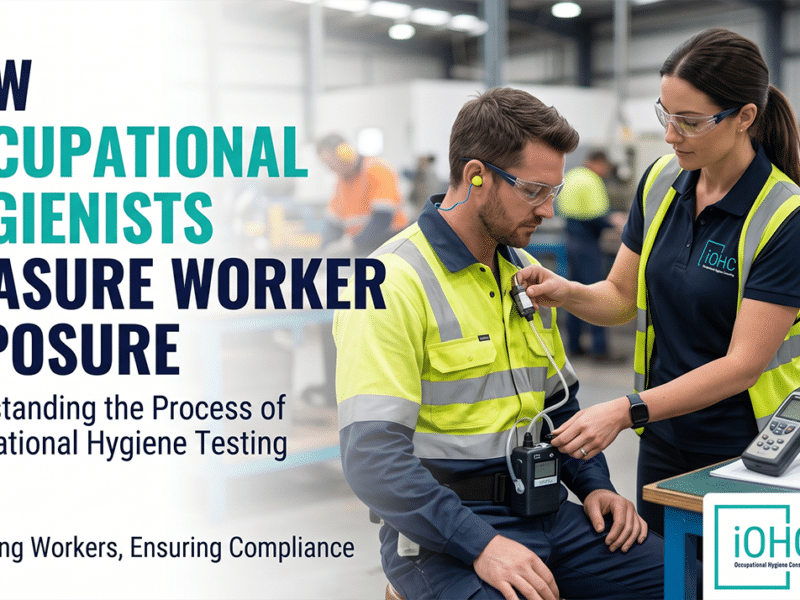
Occupational hygienists use specialised tools and methods to detect these risks early and recommend practical solutions before they escalate.
Regulatory Pressure is Increasing in 2026
Across Australia, workplace health and safety regulations are becoming stricter, with greater emphasis on accountability and measurable outcomes. Authorities now expect businesses not only to provide protective equipment but also to prove that it is effective.
This means organisations must:
- Monitor exposure levels
- Conduct regular risk assessments
- Maintain detailed compliance records
- Implement control measures based on evidence
Failing to meet these expectations can result in significant penalties, legal complications, and reputational damage. More importantly, it can put employees at serious risk.
By engaging professional occupational hygiene consultants, businesses can stay ahead of regulatory changes and ensure they are consistently meeting compliance standards.
The Growing Risk of Invisible Hazards
One of the biggest challenges businesses face is that many workplace hazards are not immediately visible. Unlike physical injuries, exposure to harmful substances often builds up over time.
Consider industries like manufacturing or mining, where workers may be exposed to fumes, vapours, or dust daily. Without proper monitoring, these exposures can go unnoticed until health issues begin to appear.
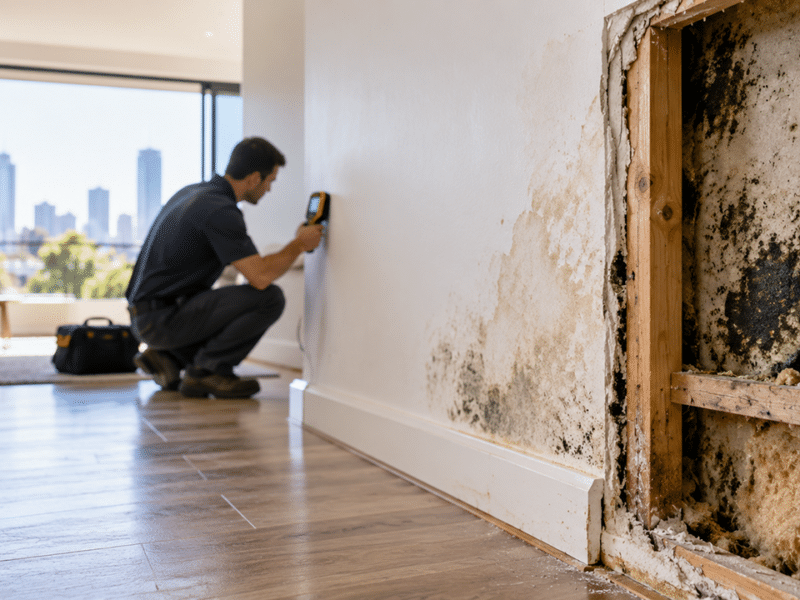
Even in office environments, factors like poor ventilation, mould, or chemical off-gassing from materials can impact employee well-being.
Industrial hygiene services help uncover these hidden risks through scientific testing and analysis, giving businesses a clear understanding of their workplace environment.
Employee Health Directly Impacts Business Performance
There is a direct link between workplace conditions and employee productivity. When workers operate in a safe and healthy environment, they are more focused, engaged, and efficient.
On the other hand, poor conditions can lead to:
- Increased absenteeism
- Reduced concentration and performance
- Higher staff turnover
- Ongoing health complaints
For instance, excessive noise levels in a manufacturing unit can cause fatigue and communication issues, while poor air quality can lead to frequent sick days.
Investing in occupational hygiene services allows businesses to create a work environment that supports both physical health and overall performance.
Prevention is More Cost-Effective Than Cure
Many businesses hesitate to invest in occupational hygiene because they see it as an added expense. In reality, it’s one of the most cost-effective decisions you can make.
Addressing hazards early helps avoid:
- Expensive workers’ compensation claims
- Medical costs and long-term treatment
- Operational disruptions due to incidents
- Legal and compliance penalties
For example, identifying a ventilation issue early can prevent widespread mould contamination or airborne exposure problems later – both of which are far more costly to fix.
Preventive action not only protects your workforce but also safeguards your bottom line.
Data is Driving Workplace Safety Decisions
In 2026, businesses are increasingly relying on data to guide their decisions – and workplace safety is no exception.
Occupational hygienists provide detailed insights through:
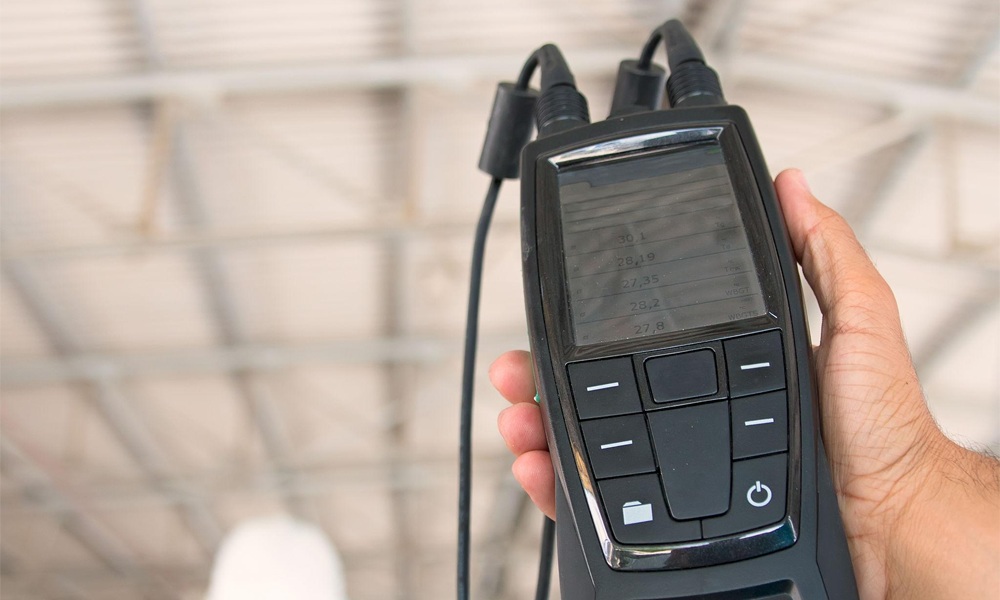
- Air quality monitoring reports
- Noise level assessments
- Exposure analysis
- Risk evaluation reports
This data allows businesses to move beyond assumptions and implement targeted, effective solutions. Instead of guessing where the risks are, you have clear, evidence-based direction.
Adapting to Modern and Complex Work Environments
Workplaces today are more dynamic than ever. From advanced manufacturing processes to hybrid office setups, each environment brings unique challenges.
For example:
- New materials and chemicals may introduce unknown risks
- Remote or flexible workspaces can affect ergonomics and air quality
- High-tech machinery may increase noise or emission levels
Occupational hygiene consultants help businesses adapt to these changes by continuously assessing risks and updating safety strategies accordingly.
Building a Strong Safety Culture
A business that prioritises health and safety sends a strong message to its employees – that their wellbeing matters.
This has a powerful impact on workplace culture. Employees are more likely to:
- Follow safety procedures
- Report hazards early
- Engage in safety initiatives
Over time, this creates a proactive environment where risks are managed before they become serious problems.
Occupational hygiene plays a key role in building this culture by providing the knowledge and systems needed to maintain high safety standards.
Tailored Solutions for Every Industry
No two workplaces are the same, and a one-size-fits-all approach simply doesn’t work.
For example:
- Construction sites require dust and silica monitoring
- Manufacturing units need chemical and noise assessments
- Healthcare facilities focus on biological hazards
- Offices require indoor air quality and ergonomic evaluations
Professional occupational hygiene services are customised to suit the specific risks of your industry, ensuring relevant and effective solutions.
Future-Proofing Your Business
Looking ahead, businesses that invest in occupational hygiene will be better positioned to handle:
- Changing regulations
- Workforce expectations
- Industry advancements
Rather than reacting to problems, these organisations operate with a proactive mindset – identifying risks early and maintaining control over their work environment.
Partner with Experts in Occupational Hygiene
At IOHC Occupational Hygiene Consulting, we provide comprehensive occupational hygiene services in Brisbane, helping businesses identify risks, maintain compliance, and create safer workplaces.
Our approach combines technical expertise with practical solutions, ensuring your business is protected today and prepared for the future.
Take the Next Step
Workplace hazards don’t always announce themselves – but their impact can be significant if left unmanaged.
Get in touch with Independent Occupational Hygiene Consultants today to ensure your workplace is safe, compliant, and ready for 2026 and beyond.
Disclaimer – The information in this blog is for informational purposes only and is not intended as medical/financial/legal advice. Always consult with a professional before making any decisions based on this information. No guarantees or warranties are expressed by IOHC about the accuracy of the information contained in the blogs.