Many workers are exposed to various hazards, including dust, fumes, fibres, chemicals, vapours, gases, biological hazards, and noise, during their daily work activities. The risks posed by those hazards depend on the severity of the hazards and how much time the worker is exposed to the hazard. Occupational hygienists specialise in carrying out risk assessments for chemical, physical and biological hazards.
Occupational hygienists use their knowledge of science to anticipate, recognise, evaluate and control the workplace hazards. Occupational hygienists use proven scientific techniques to quantify health hazards and compare results to known exposure guidelines (known as Workplace Exposure Standards or Occupational Exposure Limits) to provide a risk assessment and recommend controls suitable for the workplace.
Role of Occupational Hygiene Consultants?
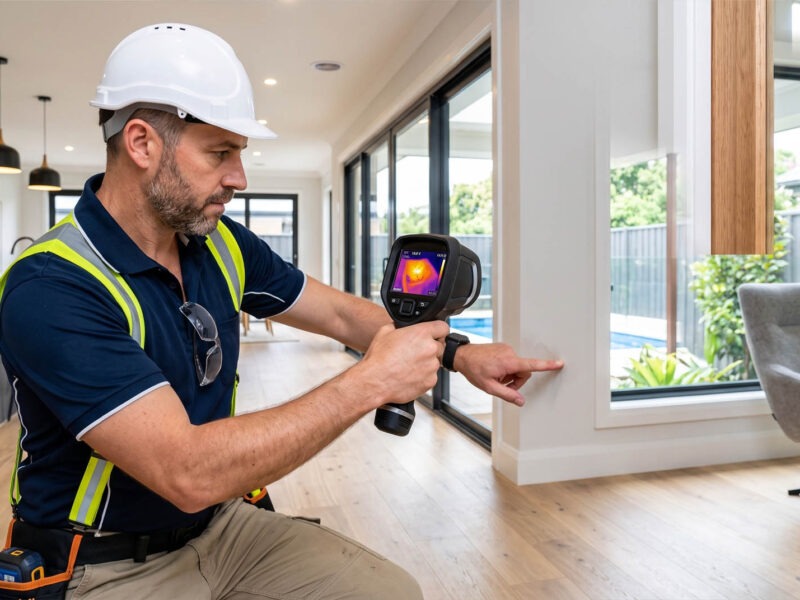
An occupational hygiene consultant examines and evaluates the working conditions, performs an exposure assessment and recommends measures that control health hazards.
Occupational hygiene consultants make suitable recommendations that enable workplaces to have safer working conditions and compliance with health and safety regulations. Their contribution is very crucial in ensuring compliance with WHS laws and regulations and protecting workers’ health and safety.
This guideline will take a brief look at what occupational hygiene is, the role it plays in occupational health and safety, and how it helps Australian workplaces by controlling the risk and increasing the overall health outcomes.
Why is Occupational Hygiene Important?
In Australian workplaces, thousands of workers are diagnosed with occupational illnesses like noise-induced hearing loss, asbestosis, silicosis, heat-induced illnesses and infections. All these illnesses can be prevented by assessing and controlling risks properly and in a timely manner.
Here are a few reasons why occupational hygiene is so critical:
- Preventing Chronic Health Conditions
- Minimising Injuries and Illnesses at the Workplace
- Compliance with Regulations
- Increasing Productivity
- Protecting workers’ health and safety
Key Areas of Occupational Hygiene
Occupational hygiene encompasses a variety of practices and techniques aimed at identifying and controlling workplace hazards. Below, we’ll dive into the key areas of focus within the field:
1. Exposure Assessment
Exposure assessment is the process of quantifying the health hazards. Consultants use a variety of techniques, like personal monitoring, static monitoring, real-time monitoring, and passive badges, to determine the concentration of hazards/ personal exposure to hazards. Occupational hygiene consultants are trained and specialise in identifying the following hazards:
- Chemical Hazards: Silica, asbestos, welding fume, VOCs, Alcohols, etc.
- Physical Hazards: noise, vibration and heat/cold stress.
- Biological Hazards: Silica, asbestos, welding fume, VOCs, Alcohols, etc.
2. Control Strategies
When exposure levels are determined, suitable controls are recommended based on the hierarchy of controls. The hierarchy of controls is an established paradigm in occupational hygiene. Below are the important elements of the hierarchy of controls listed in order of effectiveness:
- Elimination
- Substitution
- Isolation
- Engineering Controls
- Administrative Controls
- Personal protective equipment (PPE)
3. Compliance and Regulatory Requirements
Maintaining health and safety standards is a regulatory requirement in Australia. It is regulated and governed by WHS laws and regulations. Guidance materials for compliance are also published in the form of codes of practice and Australian standards. Risk assessments and occupational health and safety compliance are also a requirement under ISO standards.
Occupational Hygiene Practice
To provide a clearer insight into the functioning of occupational hygiene in practice, one may look at the following examples:
- Construction Industry: Silica dust and asbestos fibres in the construction industry may cause silicosis, asbestos or mesothelioma, chronic health conditions that are caused by very high repeated exposure to contaminants like respirable crystalline silica and respirable asbestos fibres. Occupational hygiene consultants can assist in measuring workers’ exposure and recommending required controls and health monitoring for workers.
- Manufacturing: Workers in the manufacturing industry are often exposed to chemicals, noise and physical hazards. Occupational hygiene assessments for these industries may include monitoring the noise level, ventilation assessments and evaluating the chemical hazards to ensure that the workers are safe.
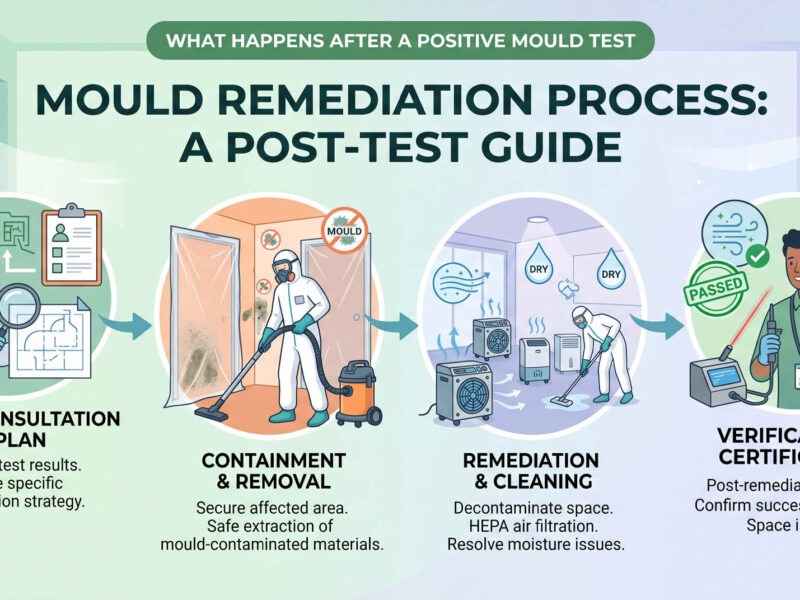
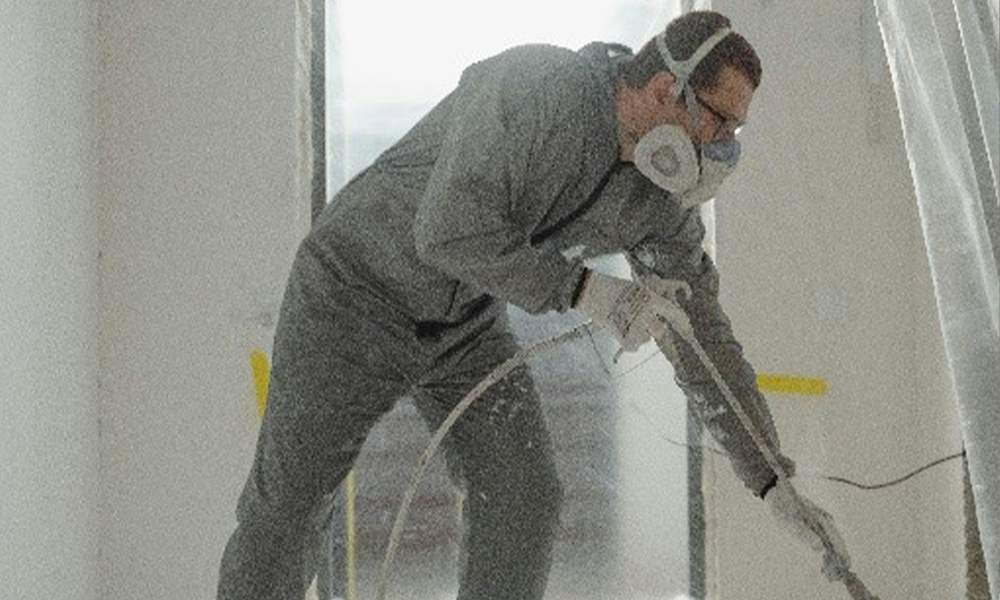
- Property Restoration: Contaminated properties pose a health risk to property occupants and workers who carry out property restoration works. The hazards most commonly encountered by property restorers include mould, bacteria, and clandestine drugs. Asbestos, lead-based paint and other chemical hazards may also be present in the property. IOHC consultants can assist in preparing the scope of remediation, initial risk assessments, health risk assessments and post-remediation clearance assessments.
- Healthcare Industry: Healthcare professionals are exposed to biological contaminants such as bacteria and viruses. Indoor air quality surveys, air exchange assessments and ventilation assessments are also often carried out for the health care facilities. Occupational hygiene consultants can also provide respiratory protection training and respirator fit testing to ensure their respiratory protection is suitable. Occupational hygiene consultants can assist in preparing infection control practices, hand hygiene training, and determining required levels of PPE.
Conclusion
Occupational hygiene is a core component of workplace health and safety. Occupational hygiene plays a significant role in identifying and mitigating the risks of occupational diseases and illnesses by quantifying the potential risks and exposures and by recommending effective control measures. To businesses, this translates to a safer and healthier workforce and compliance with Work Health and Safety laws.
IOHC offers expert occupational hygiene services catered to the specific needs of the business. Regardless of your type of business, be it construction, manufacturing, healthcare or any other business, our team is well-prepared to assist you in evaluating and managing hazards in the workplace, keeping your workers safe and your processes in line.
Never leave workplace safety to chance. Call or visit IOHC Occupational Hygiene Consulting today and find out how we can assist your business
Do you have Questions?
Disclaimer – The information in this blog is for informational purposes only and is not intended as medical/financial/legal advice. Always consult with a professional before making any decisions based on this information. No guarantees or warranties are expressed by IOHC about the accuracy of the information contained in the blogs.