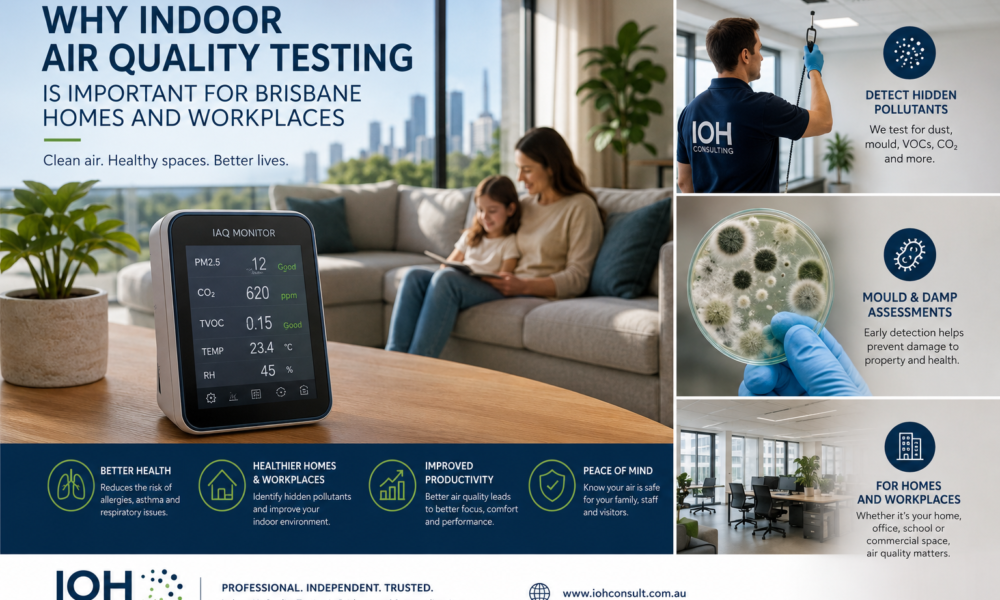
Indoor air quality has become an increasingly important concern for homeowners, businesses, schools, healthcare facilities, and commercial property managers across Brisbane. While outdoor pollution often receives more attention, the quality of indoor air can have a direct impact on health, comfort, productivity, and overall wellbeing.
People spend a large portion of their time indoors, whether at home, in offices, warehouses, retail spaces, or industrial environments. Poor indoor air quality can expose occupants to a range of airborne contaminants including dust, mould spores, volatile organic compounds (VOCs), allergens, bacteria, chemicals, and inadequate ventilation. In many cases, these issues develop gradually and may go unnoticed until health symptoms or building-related problems become more severe.
This is why professional indoor air quality testing is becoming an essential service for Brisbane homes and workplaces. Proper testing helps identify hidden air quality concerns, assess environmental conditions, and support healthier indoor environments.
What is Indoor Air Quality Testing?
Indoor air quality testing is the process of assessing the condition of indoor air to identify contaminants, pollutants, and environmental factors that may affect occupant health or comfort.
Professional indoor air quality assessments can measure:
- Airborne mould spores
- Dust and particulate matter
- Carbon dioxide levels
- Humidity and moisture levels
- Volatile organic compounds (VOCs)
- Chemical pollutants
- Ventilation effectiveness
- Temperature conditions
- Airborne bacteria and allergens
Testing is designed to identify potential indoor environmental issues and determine whether air quality levels may be contributing to health concerns or building problems.
Indoor air quality testing can be conducted in:
- Residential homes
- Offices and commercial buildings
- Industrial facilities
- Healthcare environments
- Schools and childcare centres
- Warehouses
- Retail spaces
- Construction and renovation sites
Why Indoor Air Quality Matters
Indoor air quality directly affects the health and wellbeing of building occupants. Poor air quality can contribute to discomfort, respiratory irritation, allergies, fatigue, and reduced workplace productivity.
In workplaces, poor air quality may impact:
- Employee concentration
- Energy levels
- Absenteeism
- Workplace comfort
- Overall productivity
In residential environments, indoor air quality issues can affect:
- Sleep quality
- Respiratory health
- Allergy symptoms
- Asthma conditions
- General comfort
Children, elderly individuals, and people with respiratory conditions may be particularly sensitive to indoor environmental contaminants.
Because many air quality issues are not immediately visible, professional testing helps identify hidden risks before they become more serious.
Common Indoor Air Contaminants Found in Brisbane Properties
Indoor air quality problems can develop from a variety of environmental and building-related factors. Brisbane’s humid subtropical climate can also increase the likelihood of moisture-related issues and mould growth.
Some of the most common indoor air contaminants include:
Mould Spores
Mould growth is one of the most common indoor environmental concerns in Brisbane properties. High humidity, condensation, water leaks, and poor ventilation can create ideal conditions for mould development.
Airborne mould spores may spread through indoor spaces and contribute to:
- Respiratory irritation
- Allergy symptoms
- Asthma flare-ups
- Musty odours
- Indoor air contamination
Professional indoor air quality testing can help identify elevated mould spore levels and hidden moisture-related problems.
Dust and Particulate Matter
Dust particles may contain:
- Dirt
- Skin cells
- Fibres
- Pollen
- Construction debris
- Combustion particles
In industrial and construction environments, airborne dust may also include hazardous substances such as silica dust.
Fine particulate matter can remain suspended in the air and may affect respiratory health when inhaled over time.
Volatile Organic Compounds (VOCs)
VOCs are gases released from certain products and materials, including:
- Paints
- Cleaning chemicals
- Adhesives
- Carpets
- Furniture
- Building materials
Poor ventilation can cause VOC concentrations to accumulate indoors.
Exposure to elevated VOC levels may contribute to:
- Headaches
- Eye irritation
- Dizziness
- Respiratory discomfort
Poor Ventilation
Inadequate airflow can cause indoor contaminants to accumulate and reduce overall air freshness.
Poor ventilation may contribute to:
- Stale indoor environments
- Excess humidity
- Increased mould growth
- Higher carbon dioxide levels
- Uncomfortable indoor conditions
Ventilation assessments are an important component of many indoor air quality investigations.
Moisture and Humidity
Excess moisture is one of the leading causes of indoor environmental issues in Brisbane buildings.
High humidity levels can:
- Encourage mould growth
- Damage building materials
- Create musty odours
- Reduce occupant comfort
Moisture problems may result from:
- Roof leaks
- Plumbing leaks
- Flooding
- Condensation
- Poor ventilation
Professional testing can help identify hidden moisture sources contributing to indoor air quality concerns.
Signs of Poor Indoor Air Quality
Indoor air quality issues are not always immediately obvious. However, certain signs may indicate the need for professional assessment.
Common indicators include:
- Persistent Musty Odours A strong damp or musty smell may indicate mould growth or moisture problems.
- Frequent Allergy Symptoms Occupants experiencing sneezing, coughing, itchy eyes, or congestion indoors may be reacting to airborne contaminants.
- Increased Respiratory Irritation Poor air quality can contribute to asthma symptoms, throat irritation, and breathing discomfort.
- Visible Mould Growth Mould appearing on walls, ceilings, carpets, or HVAC systems may indicate broader indoor air quality concerns.
- Condensation Problems Excess moisture on windows and surfaces may suggest ventilation or humidity issues.
- Headaches and Fatigue Poor ventilation and airborne pollutants can affect concentration and comfort levels.
- Employee or Occupant Complaints Repeated concerns about indoor conditions may indicate underlying environmental issues.
If these signs are present, professional indoor air quality testing can help determine the source of the problem.
Why Brisbane Properties Are More Vulnerable to Indoor Air Quality Issues
Brisbane’s climate can create conditions that increase the likelihood of indoor environmental problems.
Factors contributing to indoor air quality concerns include:
- High Humidity Levels Brisbane’s humid weather can encourage mould growth and moisture accumulation indoors.
- Heavy Rainfall and Storms Water intrusion from storms and flooding may lead to hidden moisture damage.
- Warm Temperatures Warm indoor environments combined with humidity can accelerate microbial growth.
- Modern Sealed Buildings Energy-efficient buildings with limited airflow may trap contaminants indoors.
- Air Conditioning Systems Poorly maintained HVAC systems can circulate dust, mould spores, and airborne pollutants.
Because of these environmental factors, regular indoor air quality assessments can be particularly valuable for Brisbane homes and workplaces.
Health Effects Associated with Poor Indoor Air Quality
Indoor air contaminants may affect occupants differently depending on exposure levels, sensitivities, and existing health conditions.
Potential health effects include:
- Allergic reactions
- Respiratory irritation
- Coughing and sneezing
- Eye irritation
- Asthma aggravation
- Sinus congestion
- Fatigue
- Headaches
- Difficulty concentrating
Long-term exposure to certain airborne contaminants may increase health risks, particularly in poorly ventilated environments.
Professional testing helps identify potential exposure concerns and supports healthier indoor conditions.
The Importance of Indoor Air Quality Testing in Workplaces
Indoor air quality can significantly affect workplace environments. Employees working in buildings with poor air quality may experience discomfort, reduced productivity, and increased absenteeism.
Workplace air quality testing may help identify:
- Ventilation deficiencies
- Airborne dust levels
- Chemical exposure risks
- HVAC contamination
- Moisture and mould problems
Industries commonly requiring indoor air quality assessments include:
- Offices and commercial buildings
- Healthcare facilities
- Schools and universities
- Warehouses
- Manufacturing facilities
- Construction environments
Improving indoor air quality can contribute to:
- Better employee wellbeing
- Increased workplace comfort
- Improved productivity
- Reduced health complaints
- Stronger occupational hygiene management
Indoor Air Quality Testing for Residential Properties
Homeowners may also benefit from professional indoor air quality assessments, particularly when experiencing:
- Persistent odours
- Allergy symptoms
- Dampness
- Water damage
- Visible mould growth
- Condensation issues
Testing can help identify hidden environmental problems affecting household comfort and respiratory health.
Indoor air quality assessments are particularly important after:
- Flooding events
- Water leaks
- Renovation works
- Storm damage
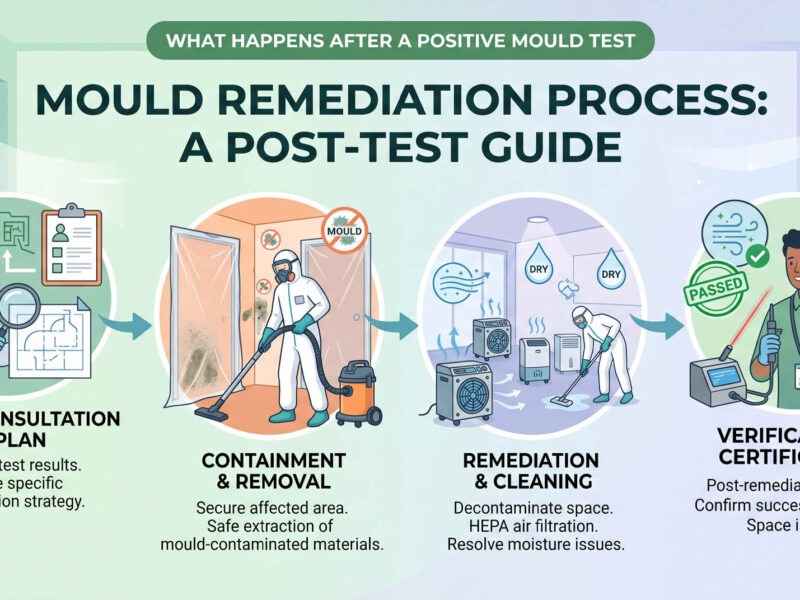
- Mould remediation
What Happens During an Indoor Air Quality Assessment?
Professional indoor air quality testing may involve several assessment methods depending on the property and suspected concerns.
Typical assessments may include:
- Visual Inspection Inspecting the property for visible signs of mould, moisture, ventilation issues, and contamination sources.
- Air Sampling Collecting indoor air samples to analyse airborne particles, mould spores, or contaminants.
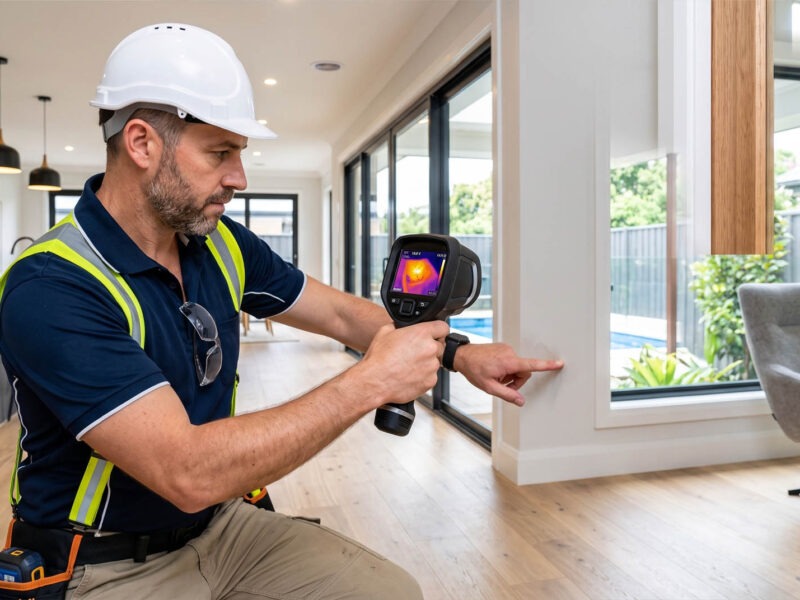
- Moisture Detection Using specialised equipment to identify hidden moisture within walls, flooring, or ceilings.
- Ventilation Assessment Evaluating airflow and HVAC system performance.
- Environmental Monitoring Measuring temperature, humidity, and carbon dioxide levels.
- Laboratory Analysis Samples may be analysed by accredited laboratories to identify contaminant levels and types.
Following testing, a detailed report is typically provided outlining findings and recommendations.
Benefits of Professional Indoor Air Quality Testing
Professional indoor air quality assessments offer several important benefits.
- Early Detection of Problems Testing can identify hidden issues before they worsen.
- Health Protection Reducing exposure to airborne contaminants supports healthier indoor environments.
- Improved Comfort Addressing ventilation and moisture issues can improve overall indoor comfort.
- Better Workplace Productivity Healthier workplaces may contribute to improved employee wellbeing and performance.
- Mould Prevention Identifying moisture issues early can help reduce future mould risks.
- Support for Property Maintenance Environmental assessments can help property owners manage building conditions more effectively.
The Role of Indoor Air Quality Testing in Occupational Hygiene
Indoor air quality testing forms an important part of occupational hygiene and workplace environmental management.
Occupational hygiene professionals assess workplace exposures and environmental conditions to help reduce health risks associated with airborne contaminants.
Testing may assist businesses with:
- Hazard identification
- Exposure assessments
- Ventilation evaluations
- Mould investigations
- Dust monitoring
- Workplace safety management
This proactive approach supports safer and healthier work environments.
Choosing a Professional Indoor Air Quality Testing Provider in Brisbane
When selecting an indoor air quality testing provider, businesses and property owners should consider:
- Experience in occupational hygiene
- Knowledge of indoor environmental assessment
- Availability of mould and moisture testing
- Laboratory analysis capabilities
- Detailed reporting
- Industry expertise
Professional assessments help ensure accurate testing procedures and reliable results.
Conclusion
Indoor air quality plays a critical role in the health, comfort, and safety of occupants in both residential and workplace environments. Poor air quality caused by mould, dust, moisture, chemicals, or inadequate ventilation can contribute to a range of health and building-related issues.
Brisbane’s humid climate can further increase the likelihood of indoor environmental concerns, making regular indoor air quality testing an important consideration for homes and businesses alike.
Professional indoor air quality assessments help identify hidden problems, improve environmental conditions, and support healthier indoor spaces. Whether addressing mould concerns, ventilation issues, or airborne contaminants, proactive testing can provide valuable insights for maintaining safer and more comfortable properties.
For businesses, homeowners, and property managers seeking to improve indoor environmental conditions, professional indoor air quality testing services in Brisbane offer an effective way to identify risks and support long-term indoor health and safety.
Disclaimer – The information in this blog is for informational purposes only and is not intended as medical/financial/legal advice. Always consult with a professional before making any decisions based on this information. No guarantees or warranties are expressed by IOHC about the accuracy of the information contained in the blogs.